
We publish, teach and certify applied AI for the professions.
Real AI capability for the people who do the work — designed by practising AI engineers, taught by practitioners, and held to an academic standard.
An AI engineering consortium designing and deploying intelligent systems for governments, enterprises, universities and think tanks across more than fifteen countries — and the engineering pillar behind the Institute’s curriculum.

Hong Kong-registered multinational with offices in more than twenty countries and a workforce of over 1,500. Represents IEEE, AAAS, ACM, the American Institute of Physics and the American Physical Society across the region.
The State of Applied AI
The comprehensive database of AI deployments — see exactly where AI is already at work, in every industry and country, sourced and kept current.
countries tracked
industries covered
sourced and updated
 Santo Tomas puts Gemini for Education before 46,000 students
 CEVA runs driverless pallet movers inside its Singapore hub
 CVAMS lets Cabo Verdean nurses diagnose cataracts and glaucoma with AI
 LG Display staff build 450 AI projects, automating 190 tasks
 China releases AI systems for mineral prospecting and geological mapping
A book for your profession — and the skills that stack on top.
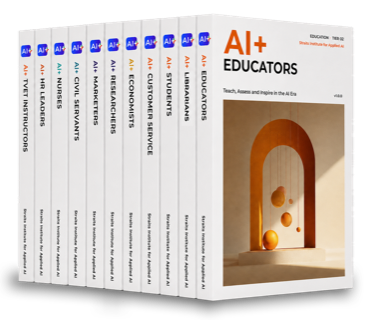
>300 practitioner-focused titles, tiered from foundational to senior leadership. Each is co-authored by Applied AI experts and people working in the field, reviewed by the Academic Board, and refreshed every six months — built to be useful the day it is opened, and issued in English with regional editions in multiple languages.
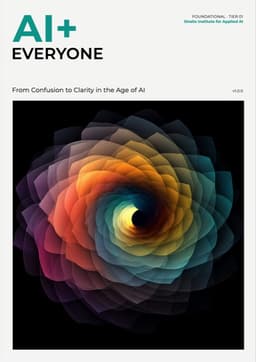
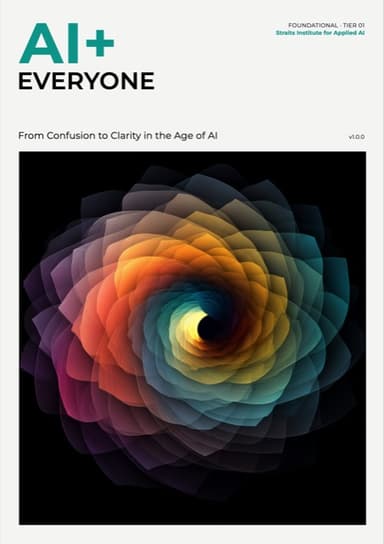 AI+ Everyone
 AI+ At Work: Foundations
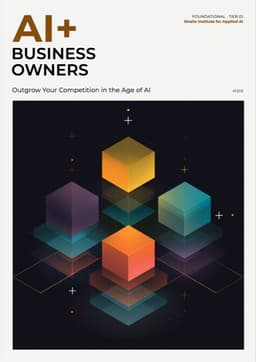
 AI+ Business Owners
 AI+ At Work: Advanced
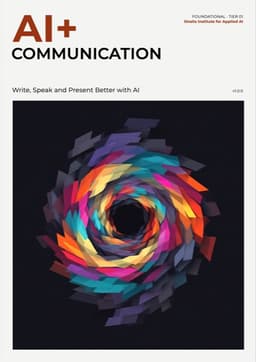
 AI+ Communication
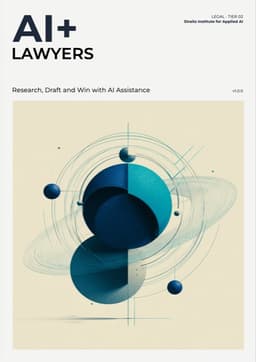
 AI+ Lawyers
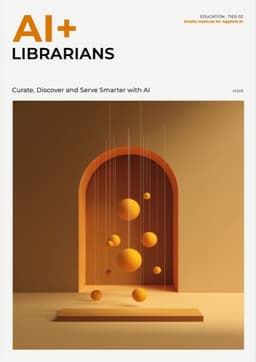
 AI+ Librarians
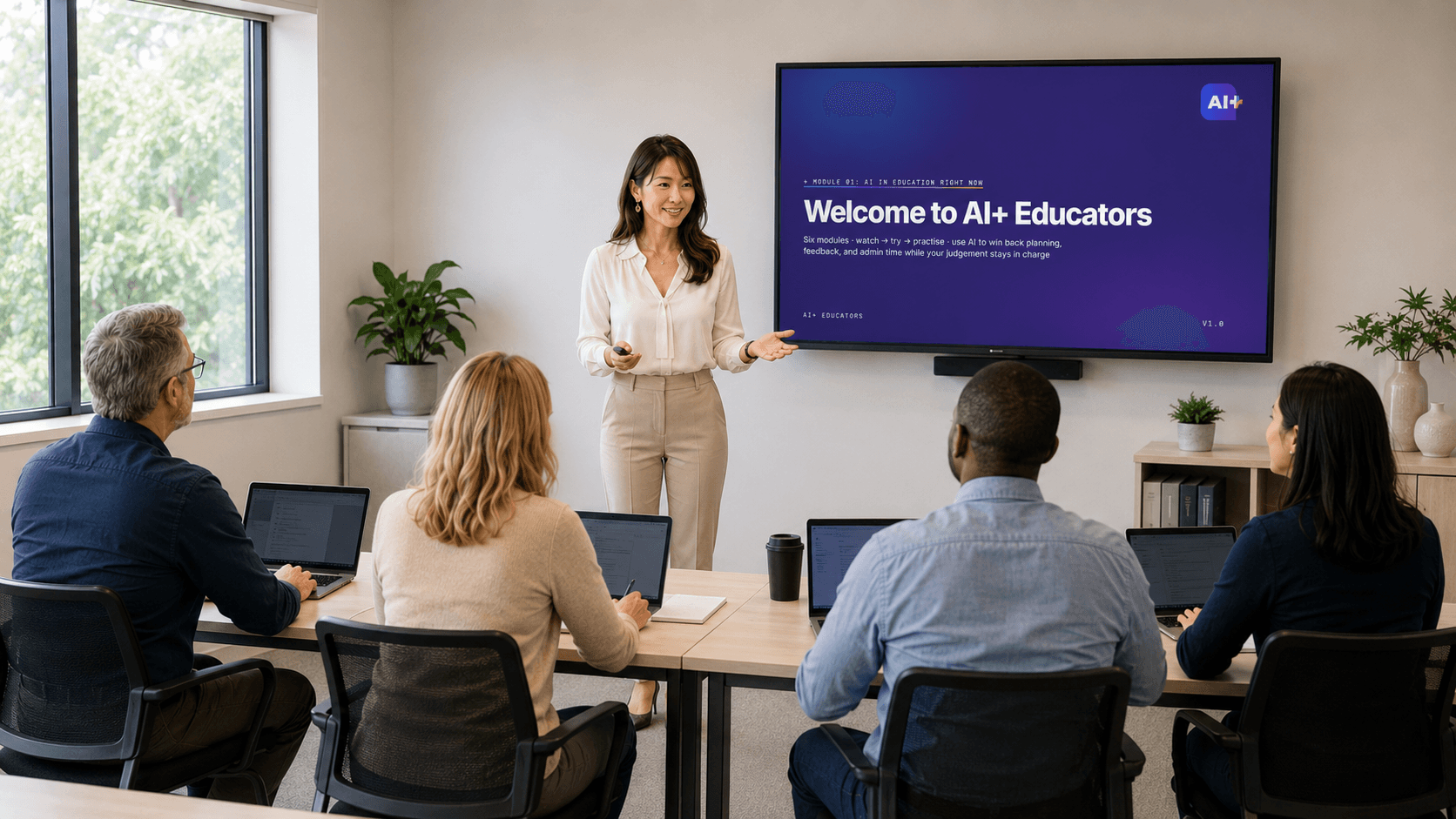
 AI+ Educators
 AI+ Mental Health Professionals
 AI+ TVET Instructors
 AI+ Automotive Technicians
 AI+ Electricians & Electrical Trades
 AI+ Plumbers & HVAC Technicians
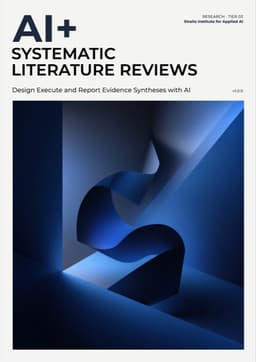
 AI+ Systematic Literature Reviews
 AI+ Quality Assurance
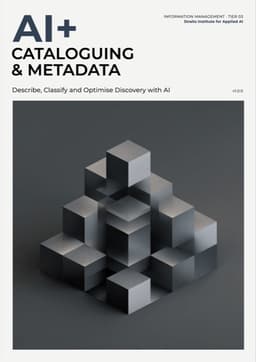
 AI+ Cataloguing & Metadata
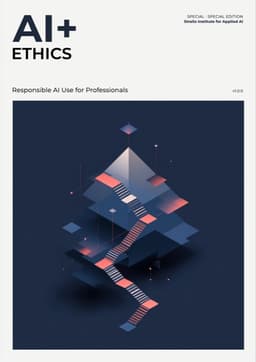
 AI+ Ethics
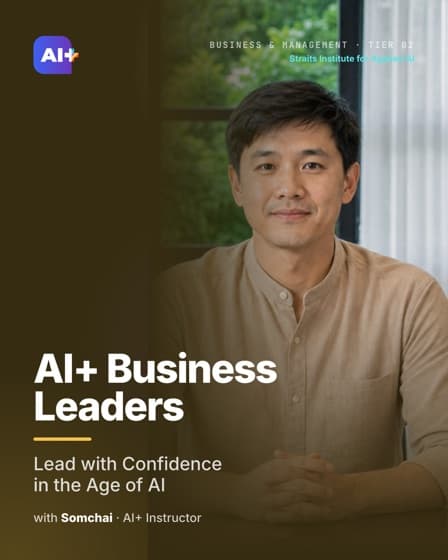
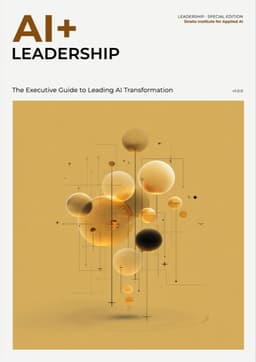
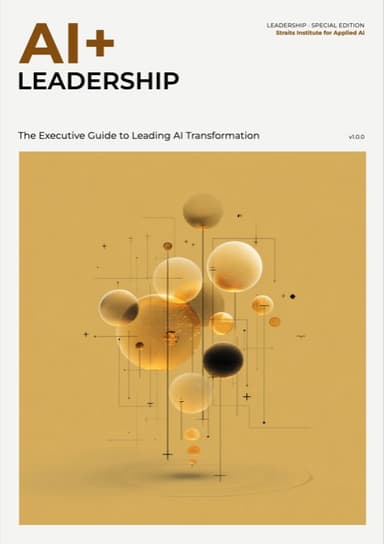 AI+ Leadership
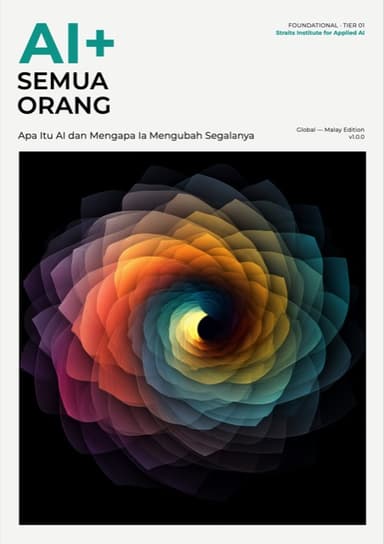 AI+ Everyone — Malay edition
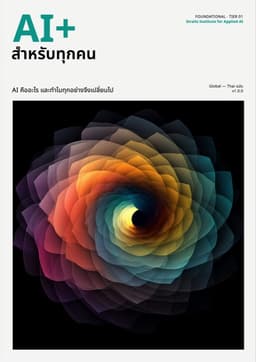
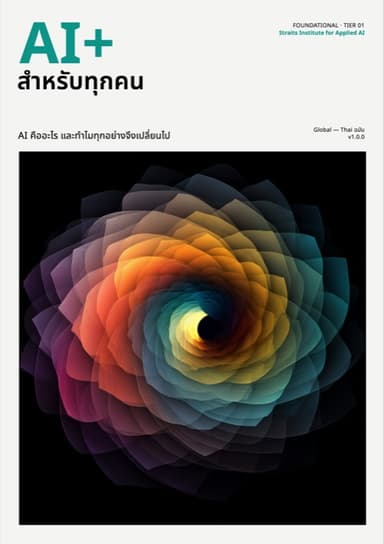 AI+ Everyone — Thai edition
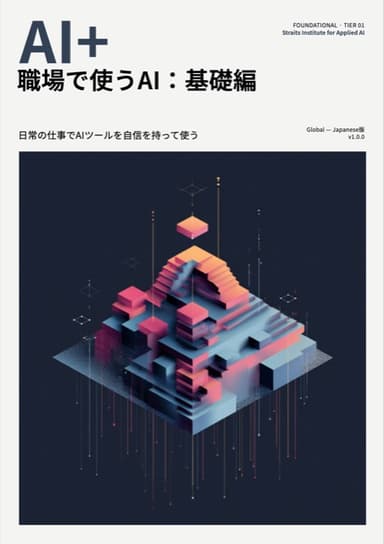 AI+ At Work: Foundations — Japanese edition
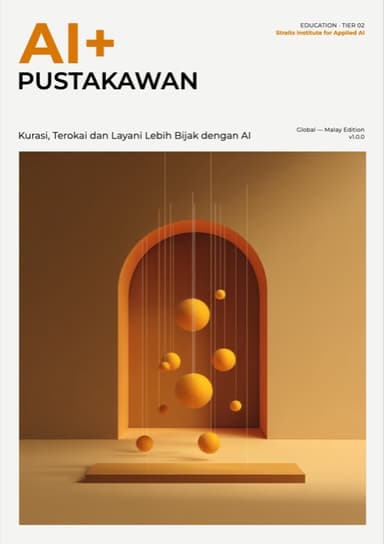 AI+ Librarians — Malay edition
 AI+ Educators — Japanese edition
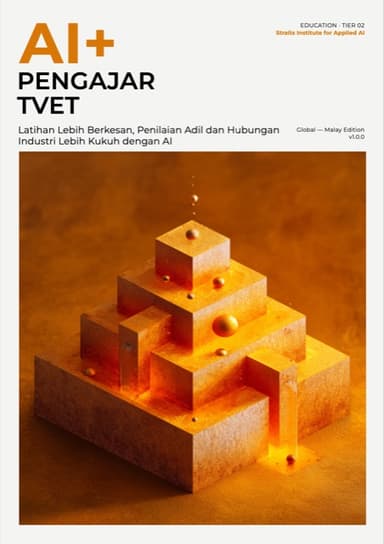 AI+ TVET Instructors — Malay edition
Industry packs — matched to how ministries and institutions buy capability.
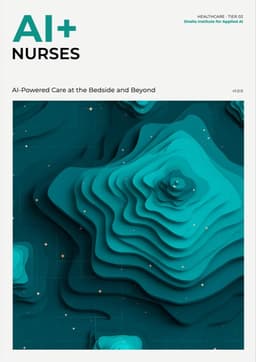
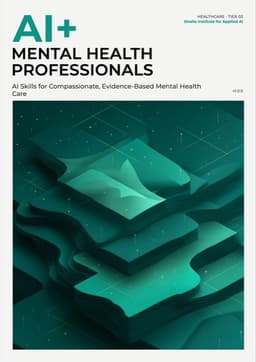
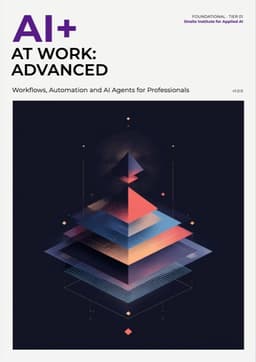

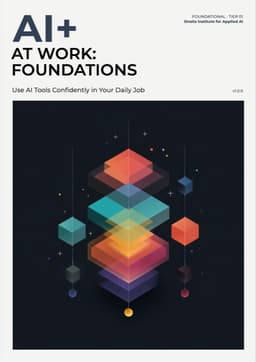
Clinicians, allied health, healthcare leaders and administrators.

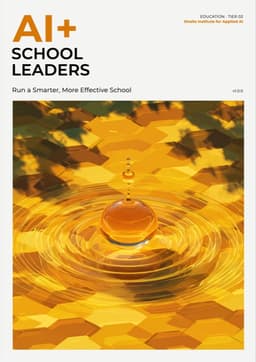
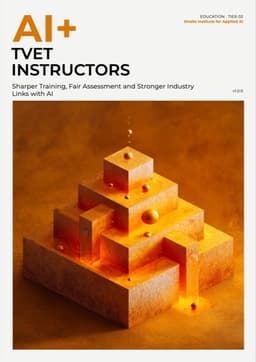
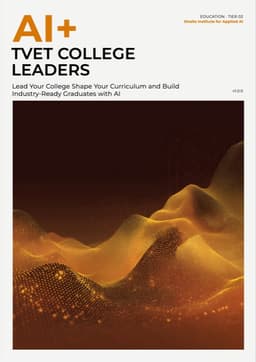
Teachers, school leaders, university faculty, TVET instructors.
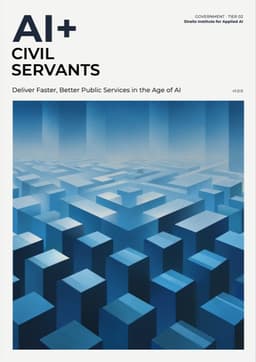
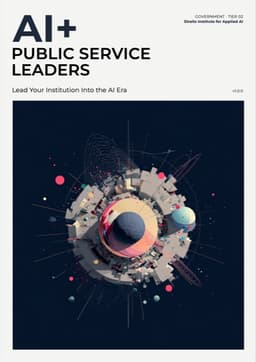
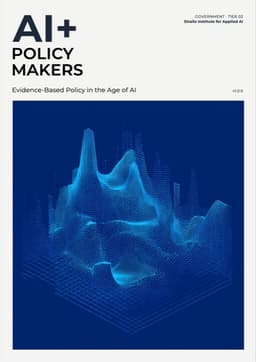
Civil servants, policy professionals, public administrators.
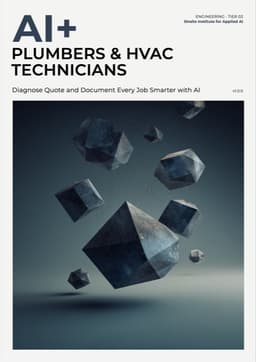

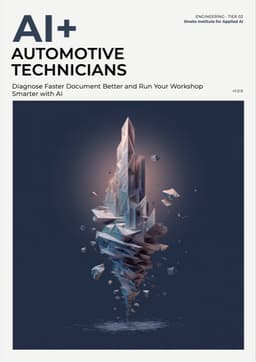
Engineers, architects, project managers, trades.
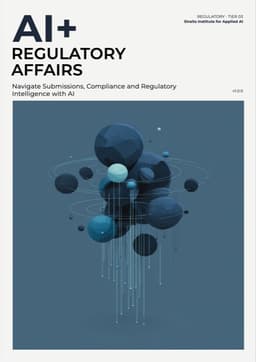
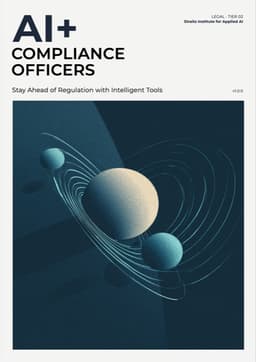
Compliance officers, risk professionals, regulators.
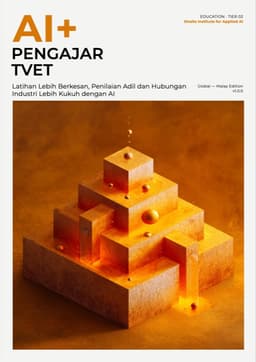
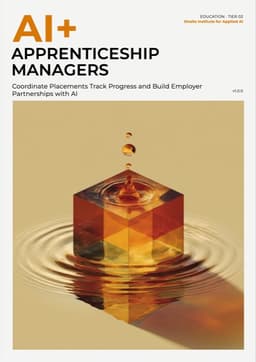
TVET leadership, instructors, apprenticeship managers, working trades.
- I want to learn
Learners
A course written for the job you actually do, not a general AI course with your profession mentioned once. Taken in a room, in the app, or both — with a credential at the end.
See what we run - I am training a workforce
Enterprises
Every function and every level covered at once, from the front line to the board — each on the course written for the work they actually do.
See what we run - I am launching a programme
Schools & Educators
The curriculum, the materials, the trainer certification, the assessment and the platform already exist. A provider opens with the catalogue instead of a blank page.
See what we run
Cover the whole organisation at once.
A large organisation is a dozen audiences at once — the board, the managers, HR, finance, marketing, sales, the front line — and each needs the course written for its own work. Covering all of them together is only possible for a catalogue that already runs the full width of a business, and has been turned into courses that are ready to teach.
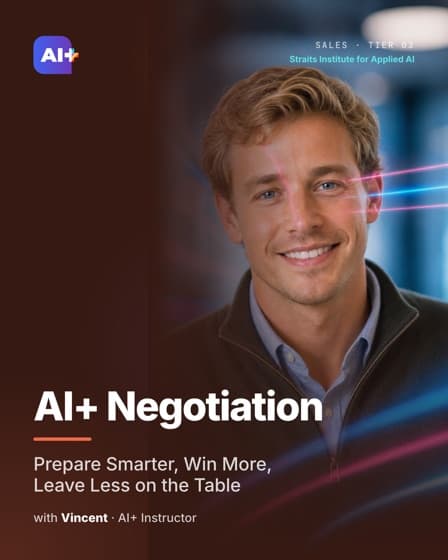
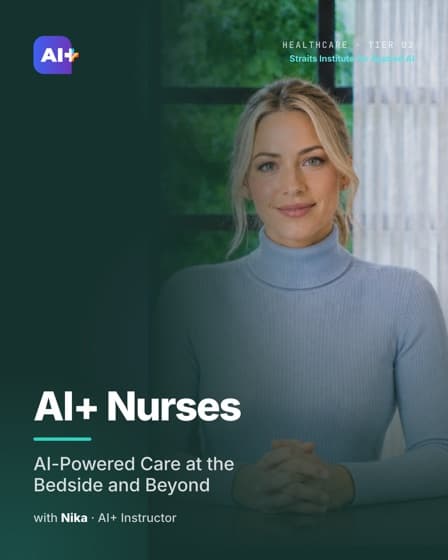
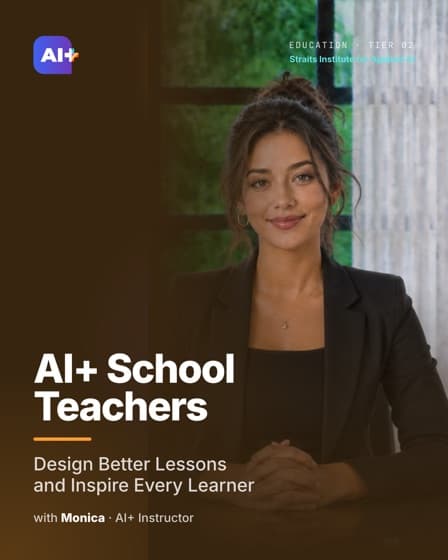
How the Institute operates.
Material is jointly developed by the Group's engineers and the Institute's curriculum team, reviewed by senior practitioners, and updated before it goes stale. AI is treated as a multiplier of human capability — not a replacement for it.
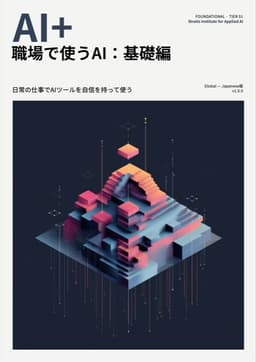
AI+ Library
The world’s largest collection of Applied AI reference books and textbooks, covering 175 professions and 96 stackable skills across 21 fields.
Go to Library
Courses
Taught and self-paced courses built on the Library’s curriculum, delivered through ministry platforms, partner training providers, and direct enrolment.
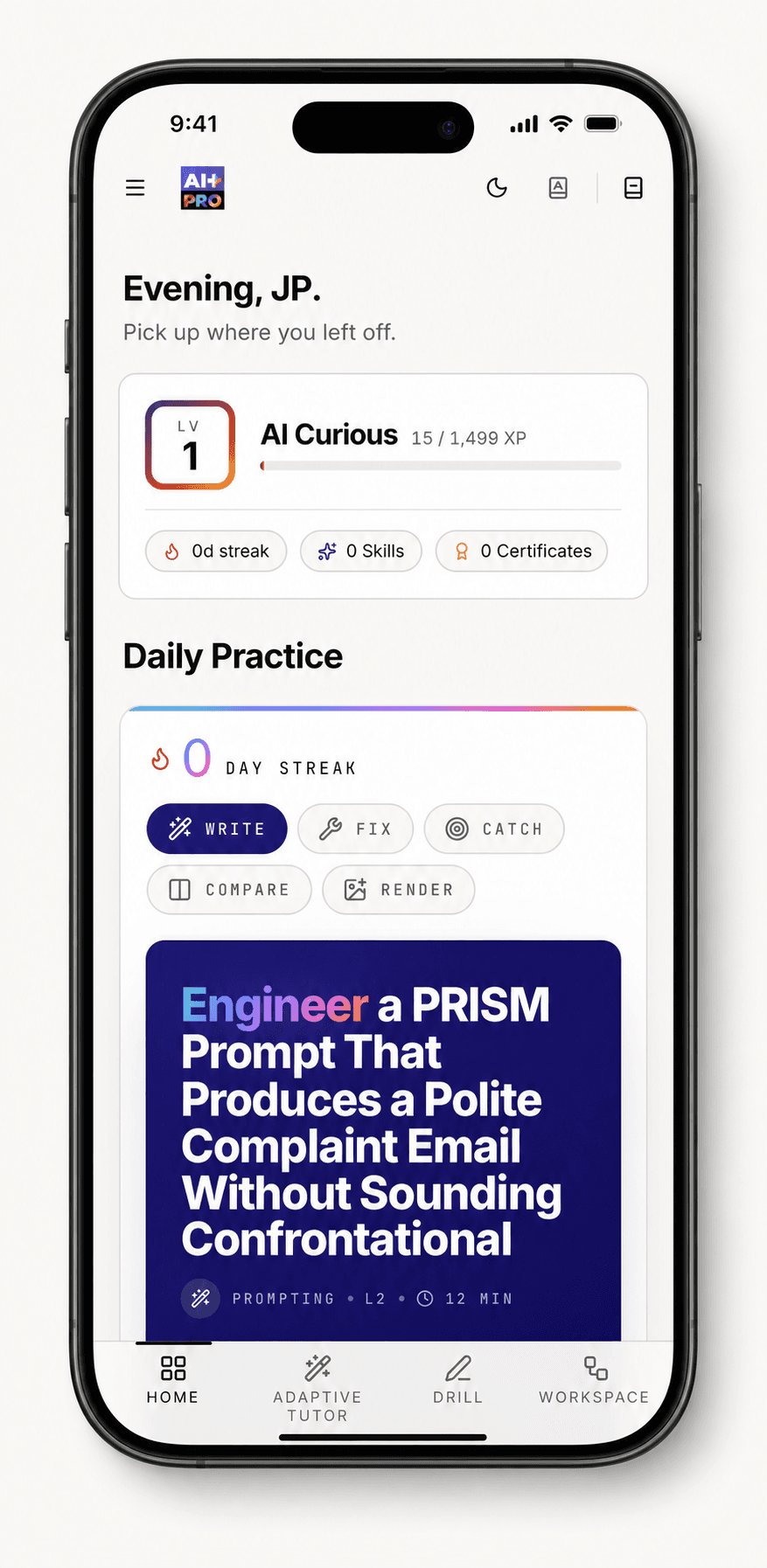
AI-Powered LMS and Assessment Platforms
Learning and assessment platforms that draw on the full AI+ corpus, teach each user in custom lesson progressions — adapting to what each learner already knows — and measure what they can actually do.
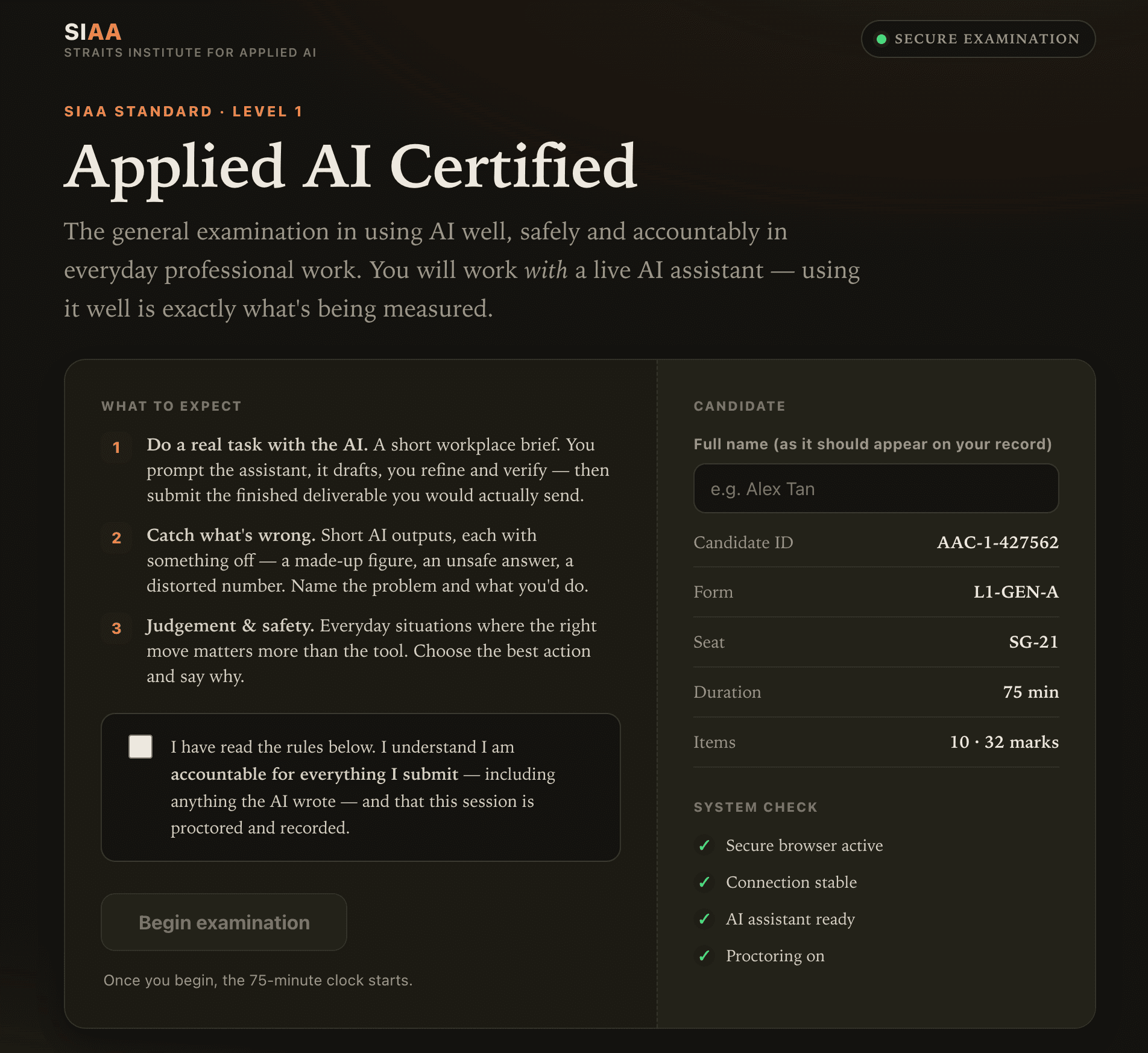
Testing & Certification
Independent assessment and credentials that prove applied-AI capability — proficiency exams and certificates mapped to the Library’s skills, for individuals and for institutions certifying their people.
Speed of curriculum development.
The Institute's defining capability is the speed at which it builds — and refreshes — curriculum. Each programme brings together what most education providers find hard to put under one roof.
Direct from the Group’s working AI consortium — building and deploying intelligent systems for clients in fifteen-plus countries today.
Subject-matter authority sourced from practitioners actively working in each field — not from general-purpose writers.
A curriculum team that knows how working adults actually learn — and designs material to be teachable in the field, not the seminar room.
The result: a curriculum that reflects the state of the field the day it ships — customisable for any cohort, sector or regulatory environment, and kept current on a published revision schedule.